 FC Groningen Hub
Introduction
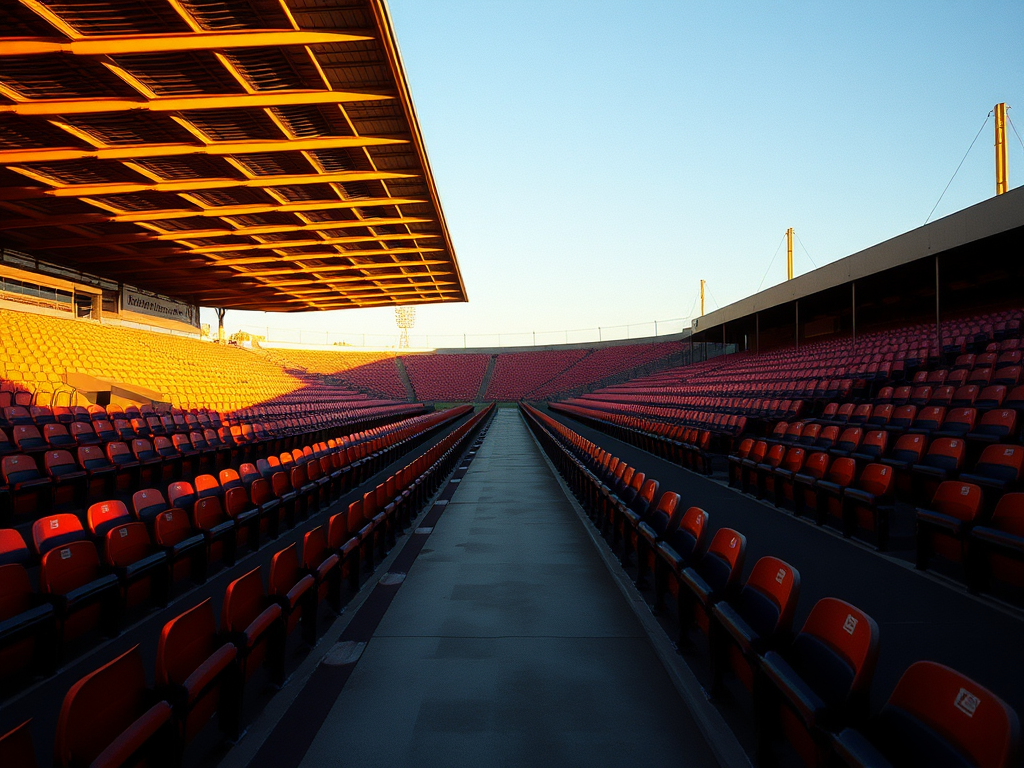
The tension surrounding the Eredivisie play-offs has reached a new high, particularly for FC Groningen. The club has recently been informed that their supporters will not be allowed at the crucial away match against Ajax in Volendam. This decision has not only bewildered Groningen's fans but also raises broader questions about the implications for the club and the competition.
Reasons Behind the Away Supporters Ban
The ban on away supporters is a measure imposed by the authorities, and although the exact reasons can vary, there are some common factors that often underpin such decisions. Often, concerns about safety play a significant role, especially in high-intensity matches like this one.
- Safety Risks: Rival matches like Groningen versus Ajax often raise concerns about confrontations between fans.
- Overburdening Emergency Services: Authorities fear that the presence of large numbers of away supporters could overwhelm emergency services.
- Previous Incidents: There have been past incidents of unrest that have led to stricter safety measures.
Implications for FC Groningen
The absence of their supporters could significantly impact FC Groningen's performance in the play-offs. The Pride of the North has a strong and loyal fanbase that often acts as an extra player, especially in crucial matches.
The energy and enthusiasm of the fans can boost the players' morale and increase pressure on the opponent. Without this support, FC Groningen may find itself in a more challenging position.
- Moral Support: Fans are often crucial in encouraging players, especially in tough moments.
- Psychological Impact: The absence of supporters can also have psychological effects on players, who may feel less supported in the fight.
- Loss of Home Advantage: The feeling of home advantage diminishes when a team cannot count on its fans' support.
The Broader Context of the Competition
The play-offs in the Eredivisie are always an exciting time for all involved teams. This season, the matches are particularly competitive, with both FC Groningen and Ajax fighting for a spot in the next round.
The absence of supporters can also affect other teams in the competition. When one club is barred from its supporters, it can set a precedent for other matches in the future.
- Impact on Rivalry: The rivalry between clubs may be affected if fans cannot participate.
- Loss of Revenue: Clubs also lose revenue from ticket sales and merchandise when supporters can't attend.
- Future Consequences: This may lead to stricter rules and restrictions in the future, potentially changing the dynamics of the competition.
Fan and Club Reactions
The reaction from FC Groningen and its supporters to the ban is understandably negative. The club has expressed its dissatisfaction with the decision and the impact it has on the fans.
- Protests: There have already been calls for protests from supporters who want to voice their dissatisfaction with this decision.
- Loss of Connection: Many fans now feel further removed from the club, which can undermine the sense of belonging.
- Call for Dialogue: The club is calling for discussions with the authorities to find a solution.
What's Next?
FC Groningen faces a crucial challenge in their play-off against Ajax. The absence of their supporters adds a new dimension to this match.
It is essential for the club to focus on their strategy and prepare for a strong performance. The players must now more than ever concentrate on each other and convert the pressure of the absent crowd into positive energy.
FC Groningen should also continue to engage with its fans to keep them involved, despite their absence in the stands. The club can utilize social media and other platforms to enhance engagement.
Conclusion
The ban on away supporters in the play-off match against Ajax is a disappointing development for FC Groningen and its supporters. As the club prepares for this important confrontation, it is crucial that they focus on their performance on the pitch and mobilize the support of their home crowd, even if the fans are physically absent. The future of the club may depend on how they adapt to this challenging situation.